
Selling a house as-is means selling the property in its current condition without agreeing to make repairs or renovations before closing.
For some Pennsylvania homeowners, selling as-is can be an attractive option. A property may need a new roof, updated electrical, plumbing repairs, cosmetic improvements or significant renovation. Instead of investing time and money into preparing the property for the traditional market, an owner may prefer to sell it in its current condition.
But selling as-is does not automatically mean accepting the first offer you receive. You still have options.
What Does “As-Is” Mean?
When a property is sold as-is, the buyer is generally agreeing to purchase the property in its present condition rather than requiring the seller to complete a predetermined list of repairs.
That doesn’t necessarily mean the buyer cannot inspect the property. Buyers may still perform inspections and due diligence depending on the transaction.
It also doesn’t mean sellers should assume they have no disclosure responsibilities. Pennsylvania sellers should understand the disclosure requirements that apply to their property and situation.
If you’re unsure about a legal or disclosure issue, consult an appropriate Pennsylvania real estate or legal professional.
Why Do Homeowners Sell As-Is?
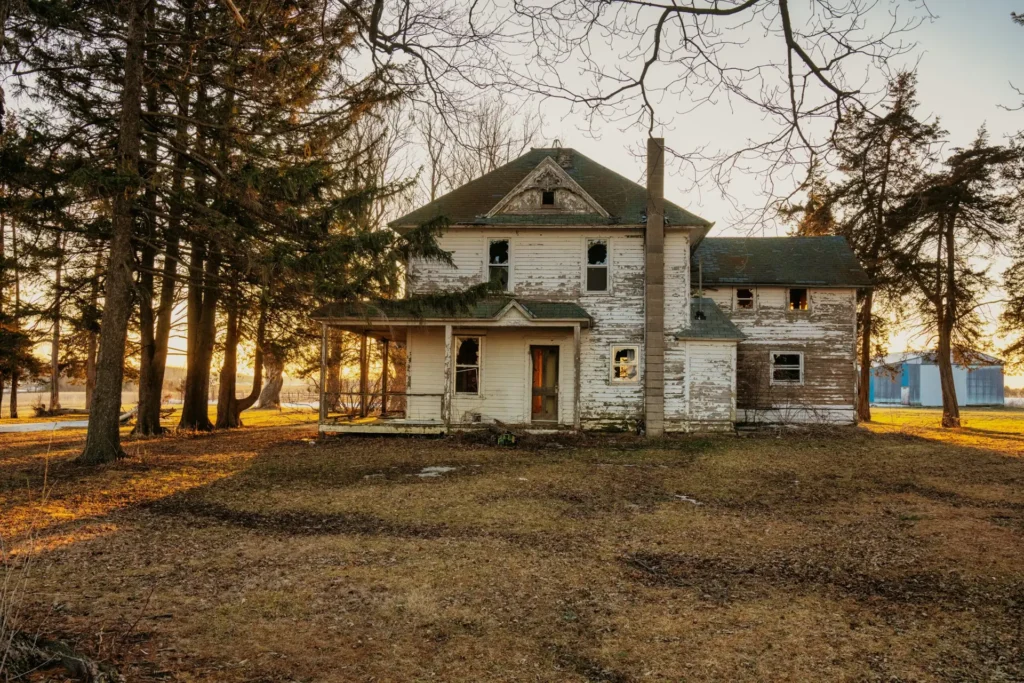
There are many reasons.
You may have inherited a property that needs work or you may own a rental property that has become difficult to manage. Maybe you have a vacant property that requires ongoing maintenance. Or you may simply not want to spend months coordinating contractors and preparing a property for sale.
Some homeowners also don’t have the financial resources or time to complete major renovations.
Selling as-is can allow the seller to focus on the overall transaction rather than completing every possible improvement first.
Does Selling As-Is Mean You Get Less Money?
Not necessarily, but the property’s condition is one factor that affects its value.
A traditional buyer may expect repairs or improvements and factor those costs into an offer. A direct buyer may also account for repairs, holding costs, transaction expenses and the risk associated with the property.
The important question isn’t simply, “Who will give me the highest offer?”
Instead, consider the complete picture:
- Expected sale price
- Repair and renovation costs
- Carrying costs
- Time involved
- Showings and preparation
- Closing timeline
- Certainty of the transaction
- Your personal priorities
A higher gross offer isn’t always the same thing as the best overall outcome.
Should You Sell Your Pennsylvania House As-Is?

It depends on your property and your goals.
If you want maximum market exposure and are willing to prepare the property, a traditional listing may make sense.
If convenience, flexibility or avoiding extensive repairs are more important, a direct sale may be worth considering.
There isn’t one right answer for every seller.
Explore Your Options
Terrain Acquisitions evaluates properties in a variety of conditions and can help you compare a potential direct sale with a traditional market sale.
You don’t have to decide before starting the conversation.
Tell us about your property, your timeline and what you’re hoping to accomplish. We’ll help you understand the options that may make sense for your situation.
